 AB
AB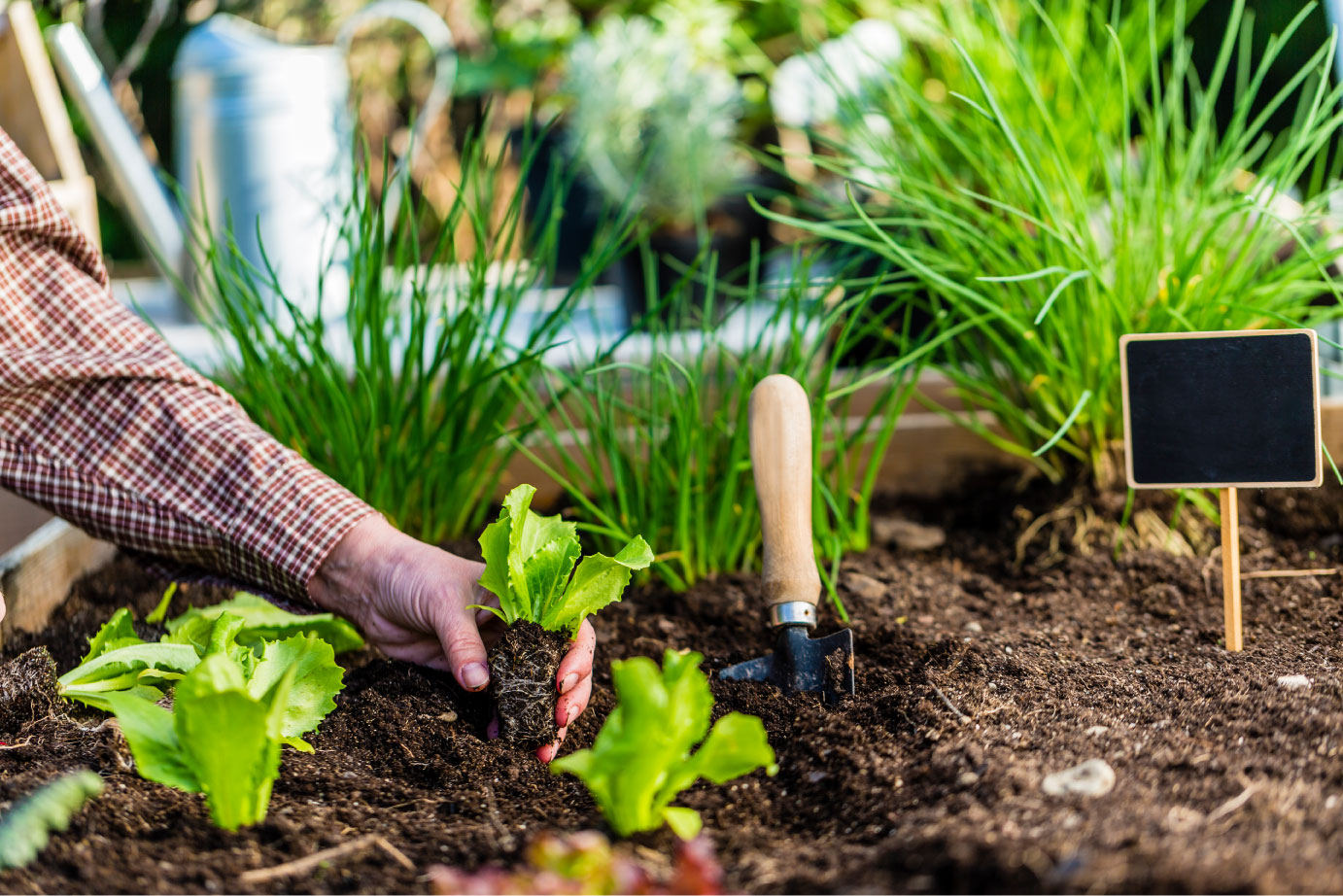
Ready to upgrade your gardening game and give your knees a break? Building an elevated garden bed is the perfect weekend carpentry project for any DIYer. Not only do these beds offer superior drainage, better pest control, and less soil compaction, but the 3x8-foot dimension we're tackling today is the perfect size for maximizing your yield without forcing you to reach too far into the center.
As a fellow carpenter and gardener, I'm here to tell you: if you can operate a miter saw and a drill, you can build a bed that will last for years. Let's grab our tools and get started on this simple, rewarding build!
Step 1: Choose Your Wood and Prep Your Cuts
Before you make a single cut, let's talk wood. Since this bed will be growing food, we want a material that is durable and non-toxic.

The Golden Rule: Untreated and Durable
Forget pressure-treated lumber for edible gardens. Your best bet is untreated cedar or untreated redwood. These woods are naturally rot- and pest-resistant, giving your bed a 10-20 year lifespan without harmful chemicals. They are more expensive than pine, but trust me, the longevity is worth the investment.
The 3x8 Cut List (for 11" Height)
We are going to build a sturdy, double-stacked frame using 2x6 lumber (which actually measures 1.5 inches by 5.5 inches). Stacking two of them gives us an ideal height of 11 inches.
Shopping & Cut List (Based on 8-foot boards):
- Lumber: Six (6) 8-foot 2x6 boards (Untreated Cedar/Redwood)
- Hardware: 3-inch exterior wood screws (at least 60)
- Optional: Galvanized hardware cloth (4x9 ft piece) for the bottom
Cuts to Make (12 pieces total):
- Eight (8) pieces @ 8 feet: These are your long sides.
- Four (4) pieces @ 3 feet: These are your short ends.
*Note: You will use four of your 8-foot boards as they are. You will cut the remaining two 8-foot boards into four 3-foot pieces.*
Step 2: Assemble the Frame and Secure the Corners
This is where the magic happens! We'll build two separate rectangular frames and then stack them.
The Simple Butt Joint
We are using the easiest and strongest joint for this application: the simple butt joint. The 8-foot side will butt up against the 3-foot side.
- Build the First Layer: Lay out two 8-foot boards and two 3-foot boards on a flat surface to form a 3x8 rectangle.
- Screw It Up: At each corner, drive at least four 3-inch exterior screws through the face of the long board into the end grain of the short board. Pro Tip: Predrill your holes to prevent the end grain of the cedar from splitting.
- Repeat: Build a second, identical 3x8 frame.
Stack and Stagger
Place the first frame where you want the final garden bed to live. Then, lift the second frame and place it directly on top of the first. Crucially, stagger the corners so the vertical joints don't line up. This technique—similar to bricklaying—makes the entire structure much more rigid and less likely to rack under the pressure of the soil.
Use two 3-inch screws every 12-18 inches along the top and bottom boards to secure the layers to one another.
Step 3: Fortify Against Pests and Fill It Up!
Your wooden frame is complete, but we have two critical final steps: securing the bottom and filling the cavernous space.
Gopher Guard and Drainage
Unless you enjoy sharing your root vegetables with burrowing friends, a barrier is essential. Flip the bed over (or work on your hands and knees) and staple the galvanized hardware cloth to the bottom edge. Be sure to overlap the cloth up the inside of the walls by about an inch to fully seal the perimeter. This material allows water to drain but stops critters.
The Filling Strategy
Filling an 11-inch-deep, 24-square-foot bed with pure garden soil will be expensive! Use the "Lasagna Method" or Hugelkultur to save money and improve soil structure over time:
- Bottom Layer (1/3): Decomposed logs, wood chips, and thick cardboard (remove all tape).
- Middle Layer (1/3): Grass clippings, kitchen scraps (compostable material), and old leaves.
- Top Layer (1/3): High-quality, sterile raised bed soil mix.
Conclusion: Time to Plant
You've successfully built a beautiful, durable 3x8 elevated garden bed! Step back, admire your handiwork, and start planning your crops. Whether you're filling it with tomatoes, herbs, or a colorful array of flowers, you now have a premium platform for gardening that will serve you for many seasons to come. Happy planting!