 AB
AB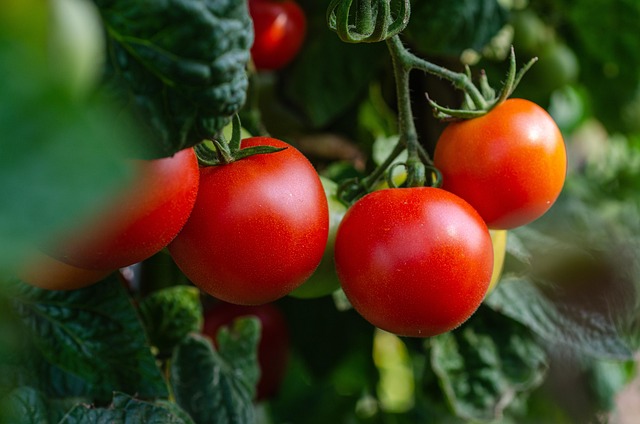
I think about the tomato bed the same way I think about a good system: get the foundation right and the daily upkeep gets easy. Get it wrong, and you spend the whole summer firefighting — chasing disease, propping up collapsed plants, and wondering why the neighbor's patch is buried in fruit while yours sulks. The difference almost always comes down to two decisions you make before a single tomato sets: what you plant and how you hold it up.
Step 1: Determinate vs. indeterminate — pick on purpose
This is the single most important thing to understand, and most people skip right past it on the seed tag.
Determinate ("bush") tomatoes
These grow to a fixed size, set most of their fruit in a two-to-three-week window, and then they're largely done. That's not a flaw — it's a feature, if you want a big batch all at once for sauce and canning. Roma and most paste types are determinate. Plant them when you want a harvest you can process in a weekend.
Indeterminate ("vining") tomatoes
These are the ones that don't quit. They keep growing and setting fruit until something kills them — usually frost. If you want a tomato on the counter every few days from July to October, this is the whole game. Almost every great slicer and cherry is indeterminate: Sungold, Cherokee Purple, Brandywine, Big Beef. The trade-off is that they get big, and a six-foot vine loaded with fruit needs real support. Which brings us to the part everybody underbuilds.
Step 2: The varieties I actually plant
After enough seasons you stop chasing novelty and settle on a lineup that earns its bed space. Mine:
- Sungold (cherry, indeterminate): The one I'd plant if I could only plant one. Absurdly sweet, produces in clusters, and starts early. Cracks if you let it get thirsty then drown it — keep the water steady and it's unstoppable.
- Juliet (grape/saladette, indeterminate): Crack-resistant, disease-tough, and shrugs off weather that knocks other plants flat. The reliable workhorse when the season turns ugly.
- Cherokee Purple (slicer, indeterminate): The flavor everyone remembers — rich and old-fashioned. Lower yield and a little fussier, but worth a spot for the sandwich tomato alone.
- Better Boy or Big Beef (slicer, indeterminate): A modern hybrid with real disease resistance does most of the heavy lifting. Less romantic than an heirloom, far more forgiving.
- San Marzano or a Roma (paste, determinate): When you want a concentrated batch for sauce, plant a few of these together and process the whole flush at once.
Notice the pattern: mostly indeterminate for the long steady harvest, with a couple of determinate paste plants set aside for the one big sauce day.
Step 3: Trellis like you mean it
Here's where most people lose the season. They buy those flimsy wire cone "cages," and by mid-July a healthy indeterminate plant has swallowed the cage whole, flopped over, and put its fruit on the dirt where the slugs and rot are waiting. The support is an afterthought, and it shows.
The Florida weave (for a row)
If you're growing a row, this is the fastest, cheapest setup that actually holds. Drive a sturdy stake every two plants. Then, as the plants grow, run twine down one side of the row and back up the other, sandwiching the stems between the lines. Add a new course of twine every 8–10 inches of growth. It takes five minutes a week and it holds a wall of fruit upright without a single cage.
Single-leader on a string (for a few plants)
For a handful of plants against a fence or under an arch, train each one to a single main stem on a vertical string and prune off the side shoots. You get fewer but bigger fruit, far better airflow, and a plant you can actually see into. This is my favorite for slicers.
Prune the suckers (at least the bottom ones)
Those shoots in the "armpit" between the main stem and a branch are suckers — each one wants to become a whole second plant. On indeterminate types, pinch the lower ones out. Stripping the bottom 8–12 inches of foliage entirely keeps soil-borne disease from splashing up onto the leaves, which is where most tomato trouble actually starts.
Step 4: The boring stuff that wins the season
- Water consistently, not constantly. Deep and even beats frequent and erratic. The swing from bone-dry to soaked is what splits fruit and causes blossom-end rot. Mulch heavily — it's the cheapest insurance against both.
- Feed for fruit, not leaves. Go easy on high-nitrogen feed once flowering starts, or you'll grow a gorgeous green jungle with nothing on it. Once fruit sets, a balanced or slightly potassium-forward feed keeps the harvest coming.
- Airflow is medicine. Most tomato diseases are fungal and love still, humid, crowded foliage. Space the plants, prune the bottoms, and water the soil instead of the leaves.
The payoff
None of this is exotic. It's just a handful of decisions made on purpose instead of by default: indeterminate varieties for the long haul, a real trellis instead of a token cage, the bottom foliage gone, and water you can set your watch by. Do that, and the tomato bed stops being a gamble and becomes the most productive square footage you own — the patch that genuinely doesn't quit until the cold makes it.