 AB
AB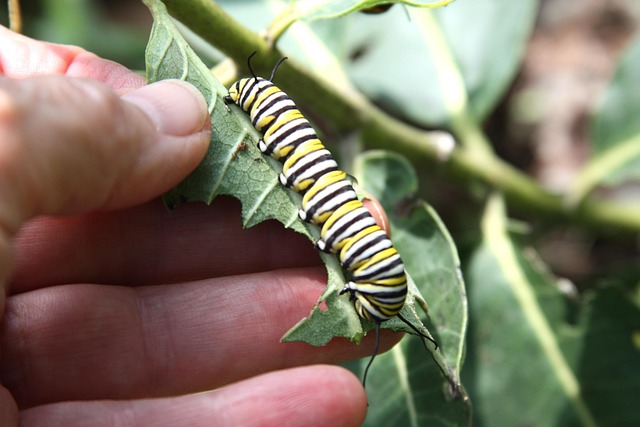
Monarchs are one of those species that pull people into gardening for a cause. You plant some milkweed, the caterpillars show up, and suddenly you're checking leaves every morning like you're on patrol. I love that instinct. But I've also watched well-meaning gardeners — myself included, early on — do things that feel helpful and aren't. So let's sort out the difference, honestly.
The milkweed question (this is the big one)
Monarch caterpillars eat one thing: milkweed. So planting milkweed is the single most helpful move you can make. The catch is which milkweed, and it's the mistake almost nobody knows they're making.
The trouble with tropical milkweed
The milkweed most often sold at garden centers is tropical milkweed (Asclepias curassavica) — the one with the bright red-and-yellow flowers. It's pretty, it's cheap, and in warm climates it causes two real problems:
- It doesn't die back. Native milkweeds go dormant in fall, which is a signal monarchs evolved to read — leaf's gone, time to migrate. Tropical milkweed stays green all winter in mild regions, so it tells the butterflies to stick around and keep breeding when they should be heading to Mexico.
- It harbors disease. Because it never dies back, the leaves accumulate spores of a parasite called OE (Ophryocystis elektroscirrha). Caterpillars eat the spores, and heavily infected monarchs emerge weak, deformed, or unable to fly. A year-round patch becomes a year-round source of infection.
The fix is simple
The best answer is to plant milkweed native to your region — common, swamp, showy, butterfly weed, whatever belongs where you live. Native species die back on schedule and break the disease cycle naturally. If you already have tropical milkweed and don't want to pull it, the rule is: cut it back hard — to a few inches — in the fall and through winter. That mimics the natural dormancy and dramatically lowers the OE load. It's a five-minute job that does enormous good.
Should you raise caterpillars indoors?
This is the one that surprises people, because raising a few monarchs in a mesh cage feels like the most hands-on help there is. A handful, done cleanly, is a wonderful thing to watch and to teach kids with. But the popular move of collecting dozens and rearing them indoors can backfire:
- Crowding caterpillars together spreads OE and other disease far faster than they'd encounter in the wild.
- There's research suggesting monarchs reared entirely indoors can emerge with a weaker ability to orient and migrate — the very journey we're trying to protect.
- It pulls your effort toward a few individuals and away from the thing that actually moves the needle: habitat.
If you do raise a few, keep it small, keep the enclosure scrupulously clean, give them fresh leaves daily, and release them where they hatched. But know that a yard full of healthy native plants helps far more butterflies than a countertop full of jars ever will.
The invisible killer: what's on your plants
Here's the one that breaks my heart, because it's so avoidable. You buy a beautiful, lush milkweed from a big nursery, plant it, the caterpillars arrive — and then they die. The plant was treated with a systemic insecticide (often a neonicotinoid) that lives inside every leaf for months. It was sold as a "pollinator plant" and it's poison to the exact creature you bought it for.
- Ask before you buy whether the plant was treated with systemic insecticides or neonicotinoids. If they can't tell you, assume yes.
- Buy from native-plant nurseries or grow from seed when you can — it's the only way to be sure.
- Skip the yard sprays. Broadcast "mosquito" treatments and most lawn pesticides don't distinguish between a mosquito and a monarch caterpillar. A spray-free yard is one of the most helpful things you can offer.
What actually helps — the short version
Strip away the noise and it's not complicated:
- Plant native milkweed for your region — and more than one, in a sunny spot.
- Plant native nectar flowers too. Adults need fuel, especially late-season bloomers that feed the migrating generation. Milkweed alone isn't enough.
- Go pesticide-free, and vet nursery plants for systemic treatment.
- If you grow tropical milkweed, cut it back in fall and winter — or better, replace it with natives.
- Mostly, let them be. Resist the urge to relocate or over-handle caterpillars. A safe, clean, well-planted yard does the work.
The honest takeaway
Helping monarchs isn't about doing more. It's about doing the right few things and getting out of the way. The gardener who plants native milkweed, skips the sprays, and trims back the tropical stuff is doing more good than the one frantically raising a hundred caterpillars on treated plants. Care is the easy part — almost everyone reading this already has it. The win is pointing that care at what genuinely works.